Southern Ontario: an integrated auto corridor with a tooling core
Southern Ontario behaves like the northern edge of the American Midwest. Vehicle assembly plants, a component supply base and a mould, tool and die trade concentrated near the Detroit crossing were built into an integrated continental vehicle industry, and the region's fortunes have tracked that integration ever since. Steel at the western end of Lake Ontario, food processing along the lakeshore and pharmaceutical work around Toronto broaden the picture, yet the automotive spine still sets the tempo.
- Hub type
- industrial region
- Country
- Canada
- Location
- Southern Ontario fills the peninsula between the lower Great Lakes in central Canada, running from the Windsor crossing through Toronto to the Quebec boundary.
- Logistics connections
- road and rail border crossings into Michigan and New York, Great Lakes and St Lawrence Seaway port terminals, mainline rail networks running east and west, international air cargo capacity at Toronto
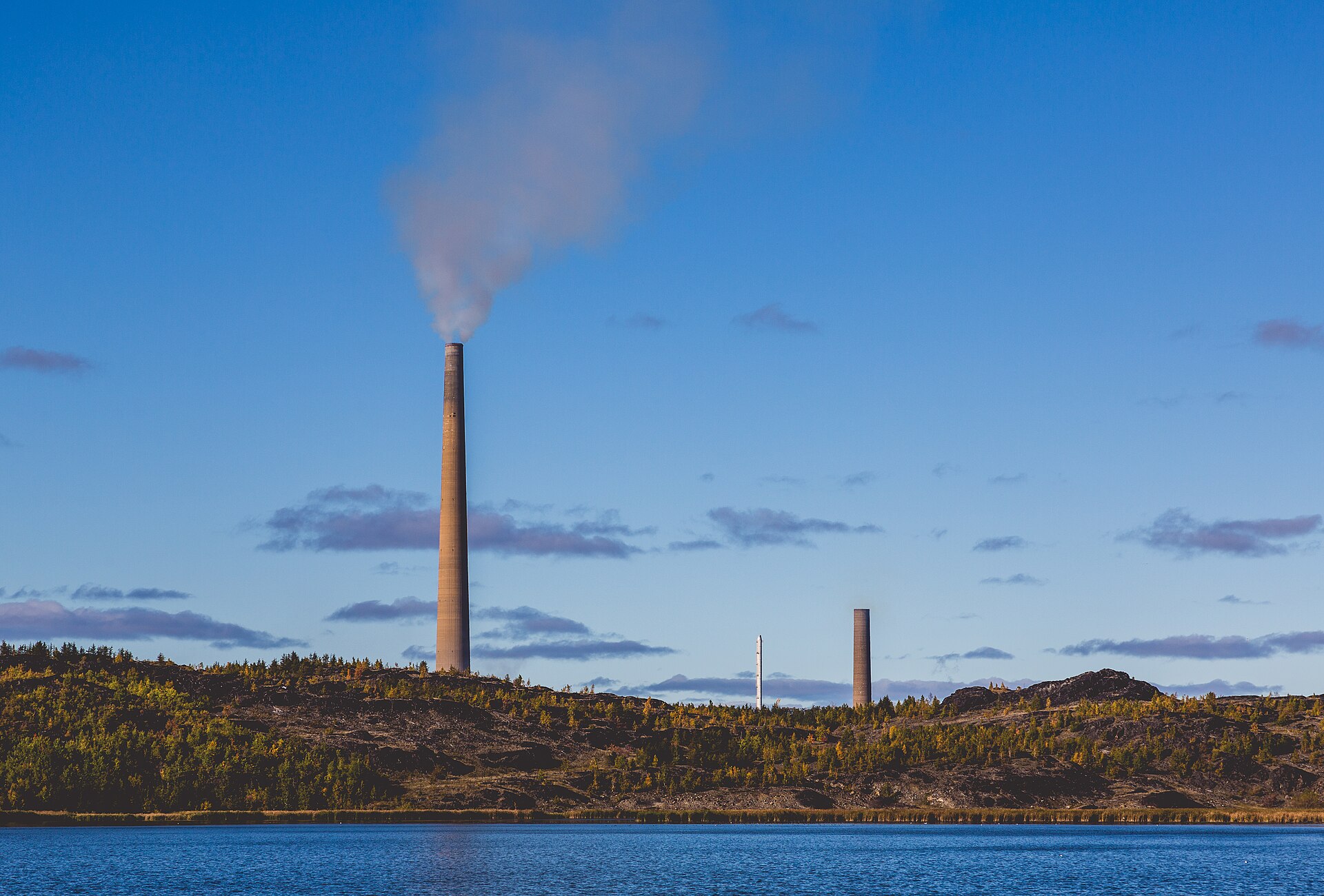
Why the vehicle industry treated the peninsula as domestic ground
A mid-century agreement removed the border as a commercial barrier for vehicles and parts, and the industry reorganised accordingly. Plants were placed within engineering reach of Detroit, sharing platforms, tooling standards and supplier lists with sites on the American side, which is why capacity here has always been allocated by programme rather than by national market. The physical geography reinforced it: the peninsula narrows towards two heavily used crossings, so a component can leave a plant in the morning and reach an assembly line abroad the same day. That convenience is also the region's dependency.
The mould, tool and die trade
The most distinctive capability in the region is not assembly but tooling. Around Windsor and Essex County sits a concentration of shops building large injection moulds, stamping dies and check fixtures, most of them owner-managed and organised around programme work rather than repeat production. Their revenue arrives in lumps tied to vehicle launches, which makes cash flow the constant management problem and payment terms a live negotiation. For a buyer, the value is engineering: these shops routinely redesign a part for manufacturability before cutting steel. For a seller of capacity, the risk is that a delayed programme leaves a booked year empty.
Steel, food and the half that is not automotive
The western lakeshore carries primary steelmaking and the metal processing that grew around it, supplying construction, appliance and vehicle customers and sustaining a service-centre trade in slit and cut material. Food and beverage processing runs across the agricultural belt and the urban fringe, drawing on local crops, dairy and meat. Around Toronto sit pharmaceutical production, contract packaging and a scattering of electronics and instrument makers. This non-automotive half rarely gets attention, but it is what keeps engineering labour, maintenance contractors and equipment suppliers viable through the troughs of the vehicle cycle.
Trades, apprenticeship and the succession gap
The skills that make the tooling and machining base work sit with people who trained long ago. Toolmakers, die setters, industrial electricians and millwrights are ageing, apprenticeship intake has not matched retirements, and small shops find the cost of training hard to justify against uncertain order books. Colleges and polytechnics run capable programmes and immigration adds experienced tradespeople, yet the transfer of tacit knowledge — how a die is tuned, why a mould gates the way it does — happens on the shop floor or not at all. Any acquisition here should value the crew as carefully as the equipment.
What crossing the border does to your plan
Continental integration cuts both ways. Origin rules for vehicles and parts determine whether your content qualifies for preferential treatment, and demonstrating that requires records your suppliers must also keep, which is a procurement obligation rather than a paperwork task. Bridge and tunnel congestion turns into inventory. Currency movement between the two countries shifts landed cost without anything changing in the plant. Electricity pricing and the terms available to industrial users vary enough to affect siting for energy-intensive processes. And the electrification programme now reshaping vehicle supply chains is re-opening supplier qualification that had been settled for years.
Industrial sectors present
- automotive parts manufacturing
- automotive manufacturing
- tooling and die manufacturing
- steel manufacturing
- food manufacturing
- pharmaceutical manufacturing
- battery manufacturing
Frequently asked questions
- Why buy tooling in this region rather than in Asia?
- Two reasons that survive scrutiny. Engineering dialogue is the first: a mould shop within a working day of your product engineers will challenge a design before it is cut, and tryout iterations happen with your people present. Time zone and travel are the second, which matter most when a launch slips and the tool needs changes. Price is rarely the argument. Many buyers split the work, sourcing simpler tools abroad and keeping complex or launch-critical tools close.
- How exposed is the region to a single vehicle programme?
- Individual towns can be very exposed, even though the region overall is diversified. A community built around one assembly plant feels a programme cancellation through its whole supplier chain, its tooling shops and its logistics contractors. When assessing a supplier, ask what share of its revenue depends on one customer platform and what it did during the last programme gap. Firms that survived downturns usually did so by adding non-automotive work, not by cutting deeper.
- What changes for suppliers as vehicle electrification advances?
- The parts list changes and so does the qualification path. Engine and transmission components lose volume while battery enclosures, thermal management, power electronics and high-voltage connection systems gain it, and those require different process controls, cleanliness standards and testing. Suppliers that machined castings for decades are being asked to demonstrate capability in joining, sealing and electrical safety. Expect longer approval cycles and capital requests, and expect customers to audit process capability far earlier than they used to.
Data limitations
- Manufacturing figures are operator-supplied inputs, not market data. GeoBusinessIQ holds no factory costs, production volumes, yields, cycle times, tooling prices or capacity data and does not estimate them — every result reflects only the figures you enter.
- No manufacturer, supplier, vendor or factory is recommended, rated or ranked anywhere in this cluster, and no directory of them is published. Selection material describes how to run your own assessment; the assessment itself remains yours.
Explore the graph
Industries present
- Automotive parts: a catalogue business that happens to own machines
- Battery production: choosing which link of the chain to occupy
- Food manufacturing: perishable inputs, retailer promotions and the allergen changeover
- Frozen food manufacturing: where freezing capacity and energy set the ceiling
- Pet food manufacturing: feed rules, human-food expectations, long shelf life
- Pharmaceutical manufacturing: campaign scheduling under a release process nobody can rush
Sources
- Innovation, Science and Economic Development Canada — ISED Canada (accessed )Covers: Canadian industrial, innovation and economic development policy and programmes.Does not cover: Company-level data, or decisions on a specific application.Why it matters: The department that owns Canadian industrial policy; cited for the Canadian manufacturing environment.Review cadence: annual
- Statistics Canada — Statistics Canada (accessed )Covers: Official Canadian statistics including manufacturing sales, industrial capacity and trade.Does not cover: Forecasts, or figures for a specific plant.Why it matters: Cited as the official statistical authority for structural statements about Canadian industry.Review cadence: annual
- United Nations Industrial Development Organization — UNIDO (accessed )Covers: Industrial development analysis, industrial statistics methodology, and manufacturing capability programmes across member states.Does not cover: Company-level data, factory costs, supplier information, or real-time production statistics.Why it matters: The United Nations agency for industrial development; used for structural framing of how manufacturing sectors develop, never for point figures.Review cadence: annual
Educational and operational information only. This page describes an industrial location qualitatively; it publishes no output, employment, plant-count or ranking figures, names no individual manufacturer as a recommendation, and is not investment, siting, legal, or tax advice.
Last updated: